Strategic angles
AD FORMATS
TEST PHASES
VERTICALS MAPPED

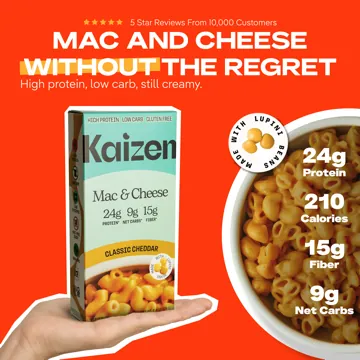
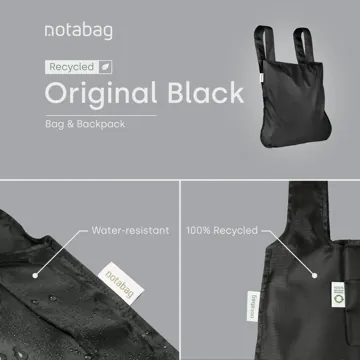

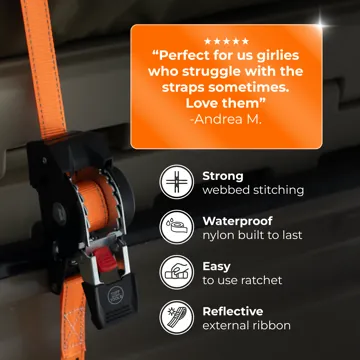
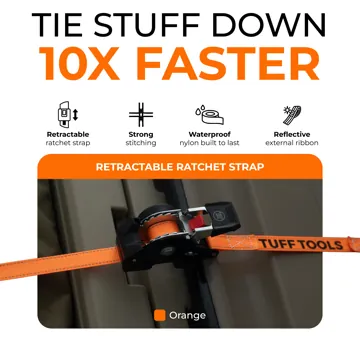

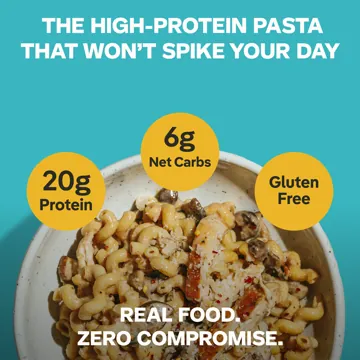


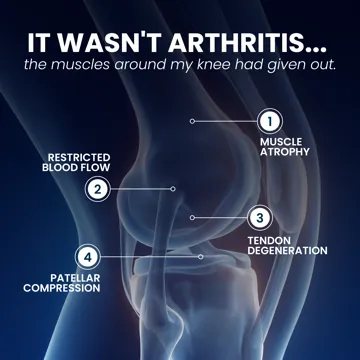

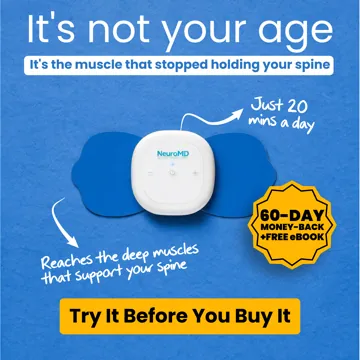
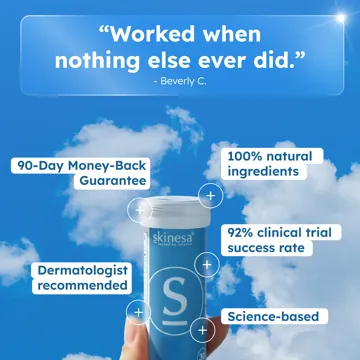
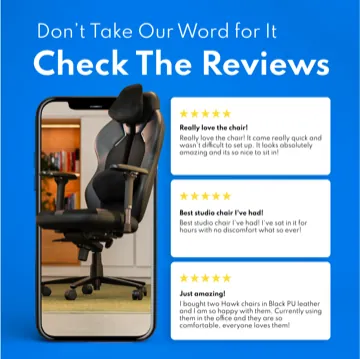
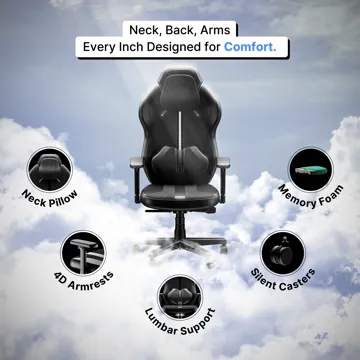
Every Ad Is Four Layerstest them apart
Most testing fails because these get conflated. We isolate them, so every result teaches us something we can reuse.
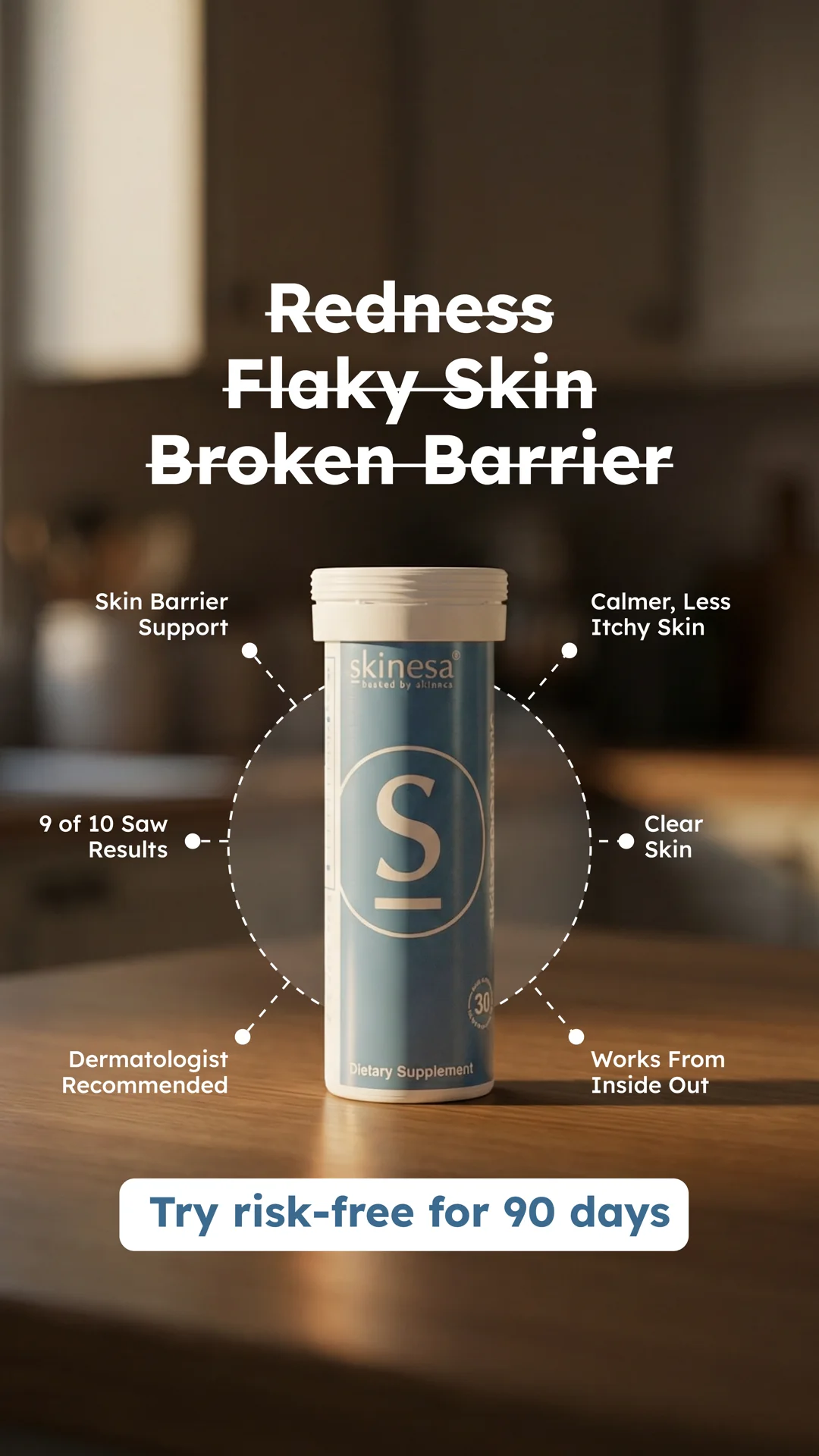
An angle stays alive for months. Hooks rotate weekly. Knowing which layer fatigued is the difference between a refresh and a rebuild.
The Market Decides The Angle
Every market sits at one of five sophistication levels: how many claims the buyer has already heard, tried, and stopped believing. Diagnose the level, and the map tells you which angles can still win. Pick a level and watch the library respond.
24 Angles, 6 Families
01 · Problem Agitation
Make the pain vivid and felt before offering relief.
02 · Hidden Problem
Reveal a problem the buyer didn't know they had, or reframe its root cause.
03 · Cost of Inaction
Quantify what doing nothing costs: money, time, compounding damage.
04 · Failed Solutions
Name what they tried, explain why each failed, reveal the common flaw.
05 · Mechanism Reveal
The root-cause explanation that makes the product the only logical answer.
06 · Demonstration
Show it working. The visual is the argument.
07 · New Discovery
Frame the product as new science, new material, new method.
08 · Effort Collapse
The product deletes steps, time, or willpower from an existing routine.
09 · Ingredient Transparency
Lead with what's inside, or what's deliberately absent.
10 · Social Proof Cascade
Specific results from specific, relatable people, stacked to generalization.
11 · Authority
Clinician, credential, trial, heritage, or press. The wrapper that leads when the credential is the news.
12 · Data Anchor
One striking, defensible number carries the ad.
13 · Skeptic Conversion
The narrator opens as a doubter. Doubt, test, reluctant belief.
14 · Longevity Proof
Time as the argument. Years later, still working.
15 · Identity Play
Mirror who the buyer wants to be. The product is the signal.
16 · Transformation
The before-state and after-state, told as lived experience.
17 · Aspirational
Sell the after-world: the morning, the kitchen, the trail.
18 · Belonging
Join the people like you. The tribe's language is the hook.
19 · Fear Relief
For purchases where the real job is “stop worrying.”
20 · Us vs. Them
The brand against a category norm. Punch at the category, not a name.
21 · Contrarian
Challenge a belief the audience holds confidently.
22 · Price Reframe
Cost-per-use math, comparison anchoring, premium justification.
23 · Category Creation
“It's not a [known thing], it's a [new thing].” Escapes commodity comparison.
24 · Founder Story
Why the founder built it. The longest-living creative in most accounts.
Tap any angle to see its hook pattern and an ad that ran on it.
Concepts, Not Variations
Meta's retrieval engine fingerprints every ad. Ten recolored versions of one idea count as one ad in the machine's eyes. A genuinely new concept must change at least two of three axes: who speaks, what's promised, how it's delivered.
Every Format, Grouped By Job
Angles are arguments; formats carry them. Each group has a different production cost, funnel role, and burn rate. A healthy account runs several groups at once.
The volume engine. Low production cost, native feel, fast to test. The one rule: the creator must plausibly BE the customer. A creator testimonial where you genuinely can't tell it's an ad — real face, real room, phone camera.
Same Map, Different Battlefield
Priorities shift by category. A supplement buyer has been burned five times; a cookware buyer wants to see the sear. Pick a vertical to see how the plan changes.

Supplements
Burned buyers, maximum skepticism
The First 90 Daysnothing tested by accident
Every new engagement runs the same disciplined sequence. Nothing gets skipped by luck.
Diagnosis
Customer research, review mining, competitor teardown, sophistication level stated in writing, compliance ceiling documented, authority assets audited. The concept generator gets filled from real customer language, never guesses.

Foundation wave
Five to six genuinely different concepts across at least three angle families go live, plus baseline infrastructure: catalog ads, vertical-first masters, the founder shoot booked early because founder content outlives everything else.

First read
Seven to fourteen day windows, judged against the brand's own baseline, never generic benchmarks. Every concept gets a verdict and a one-line learning. Winning territories get five new hooks each; killed ones get replaced from an untested family.

Depth & transplant
Winning angles move into new formats: a creator winner becomes a founder film, a video winner becomes a static, a short winner becomes a mini-VSL. Offer tests run against proven bodies. The retargeting layer gets built from claims that already proved themselves.

Steady state
New concepts every one to two weeks. Fatigue watched by leading indicators, not CPA spikes. Every scaled winner gets dissected and its DNA tagged, so the next concept starts from evidence. Quarterly, the market gets re-diagnosed, because markets move.

The Map Is The Report
Every planned test is a cell on the map with a live status. You watch territories light up, and you see why budget moves where it moves. Even a kill buys a learning, and the learning is written down.
The grid — one row per concept
What the killed one taught
The mechanism landed. The ninety seconds in front of it did not. Same claim, cold open at fifteen — back on the map as C‑23.
Read window — C‑16
Nothing gets a verdict before its window closes.
Board state
What a cell opens
The ad itself, the numbers behind it, and the verdict in a sentence. There is no monthly deck, because there is nothing in one that isn't already here — and it is here on the day it happens, not on the first of the month.
Schematic. A real board carries the client's own concepts and their own numbers.
A failed ad that teaches you something beats a winning ad you cannot explain.